TRIBECA Film Festival 2025
New York, NY
June 3 – June 14, 2025
Drake Stutesman
Some films to see:
SO FAR ALL GOOD
2025
Director: $ECK (Seck)
US
72 min.
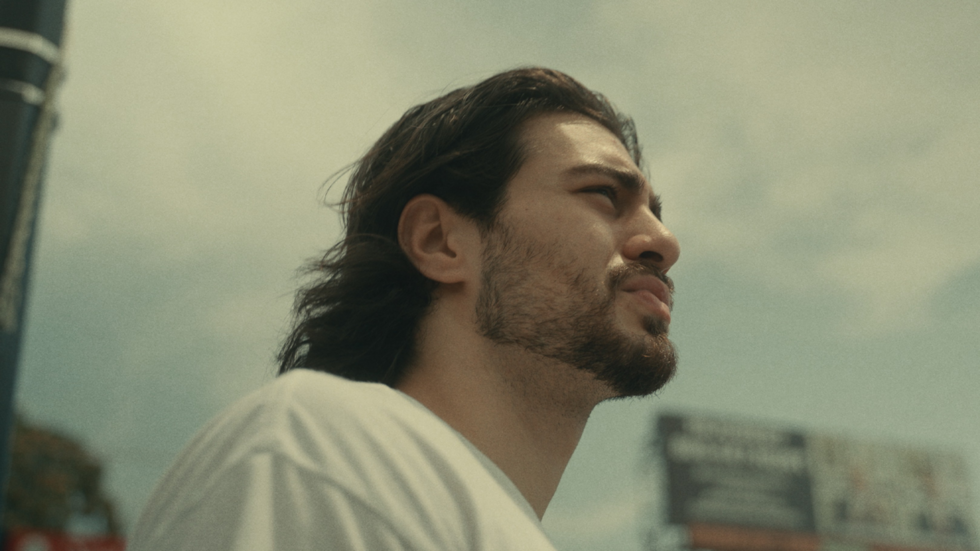
The director of So Far All Good, $ECK, known as Seck, was also the producer (one of five), editor, cinematographer and, with the lead actor Rasan Kuvly, screenwriter. In this much self-propelled film, Seck and his crew bring together an intimate, strange, off beat film that focuses on portraying the consciousness of a young man, Ace, coming out of prison and returning to his neighborhood in New York City. Rasan Kuvly realistically plays Ace with a kind of aura of subdued panic, as he moves through the streets, trying to get money, trying buy a phone and cigarettes, trying to meet with friends and past lovers.
Seck inventively takes this simple, much used plot and makes a film that is more about Kuvly’s internal world than the New York city he is trying to get back into. Seck creates an inventive, engrossing film that uses sounds and visuals to reflect that world. For example, there are tinkling sounds that have no obvious source or reason or flashes that are much the same. Seck uses a hand camera often that brings constant movement. He often uses a tight close up of a face that is still. He films people talking with each other but their voices are not heard in their actual conversations but rather heard in voice over that is speaking their conversations. Seck pairs some street scenes with 16th century paintings, such as the famous beheading of Holofernes. These breaks in the narrative don’t come across as odd but rather Seck blends them so deftly that they act as just individual parts of a greater whole. This creates an ambience - not the ordinary ambience of the everyday but one that is the world of an inner state of So Far All Good.
Must see. Inventive, engrossing film about young man just out of prison.
THIS LAND
2025
Director: Mike Bradley
US
20 min.
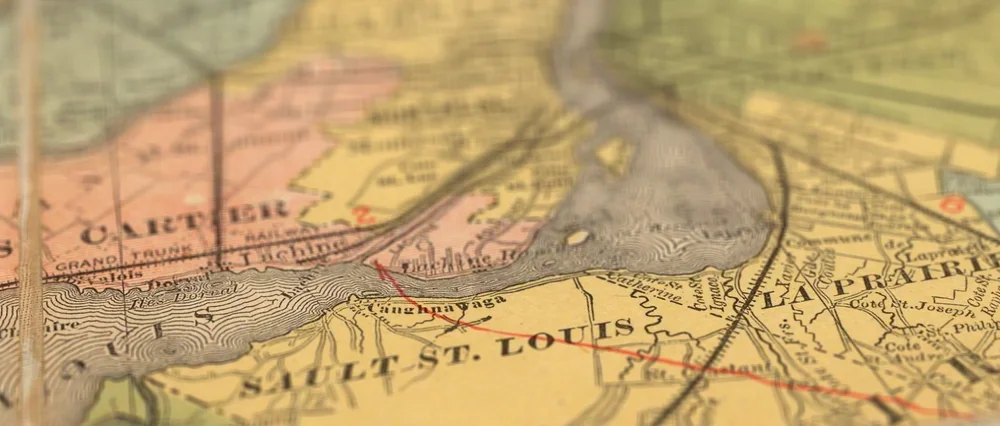
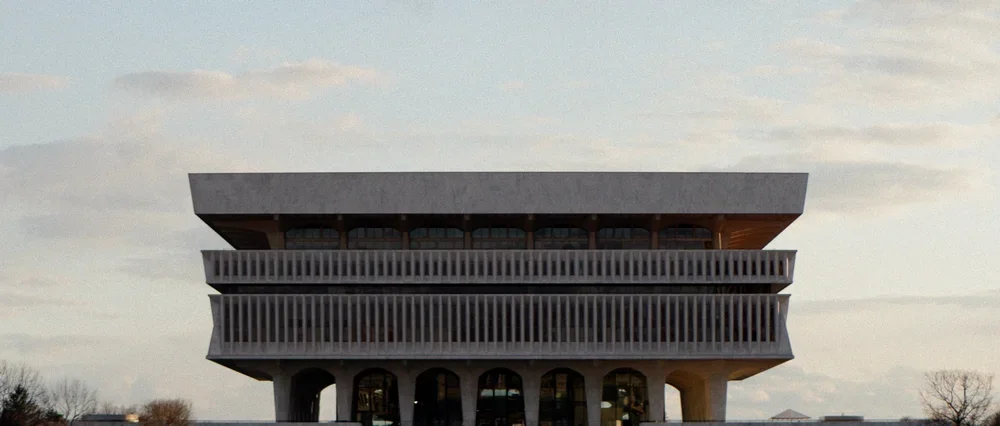
This Land, a 20-minute film directed, produced, and shot by photojournalist Mike Bradley, is a deliberate attempt to open up more information about the multiple battles for the return of their land by First Nation groups across the US that has gone on for centuries. This Land reveals the political furor around the occupation, with weapons, by Mohawks of 612 acres of land at Moss Lake in the Adirondack mountains in New York during 1974-77. The occupation eventually ended with an exchange of property, where the Mohawk people were relocated to 5000 acres in the far northern end of New York state, which they named Ganienkeh. The situation brought up many negotiating points, such as First Nation “sovereignty” or rights regarding property, that were never addressed and continue to be rarely addressed in First Nation land rights disputes in the US. Sovereignty has been a long-standing and blurry concept used to undermine the rights of First Nations, African Americans and women for centuries in US politics.
Using current interviews with Mohawk citizens interwoven with scenes of the land, as well as stock footage of the 70s events, Bradley shows the tooth and nail realities of First Nation existence in US and also the unusual success for the Mohawks who built and have sustained the Ganienkeh community. It is one of the only US Indigenous land claims that have become legally recognized.
Must see. Important and absorbing film on the fight for First Nation land rights.
NATCHEZ
2025
Director: Suzannah Herbert
US
86 min.
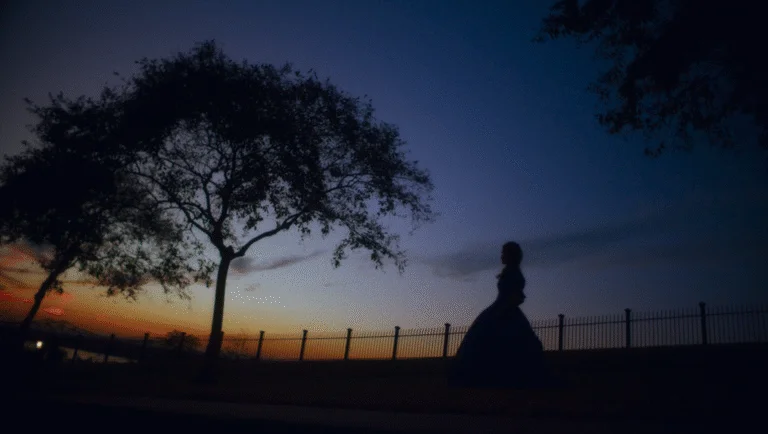
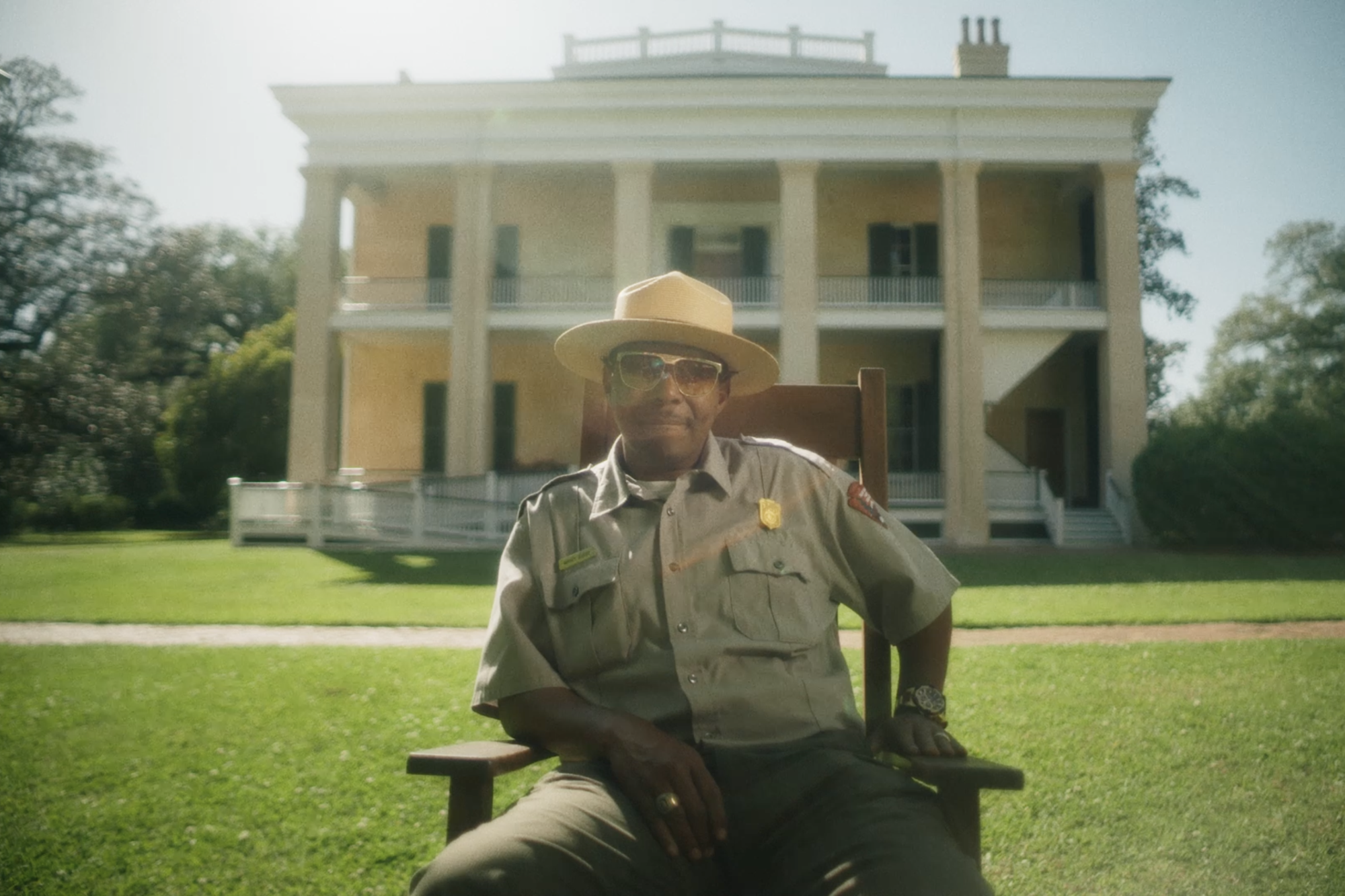
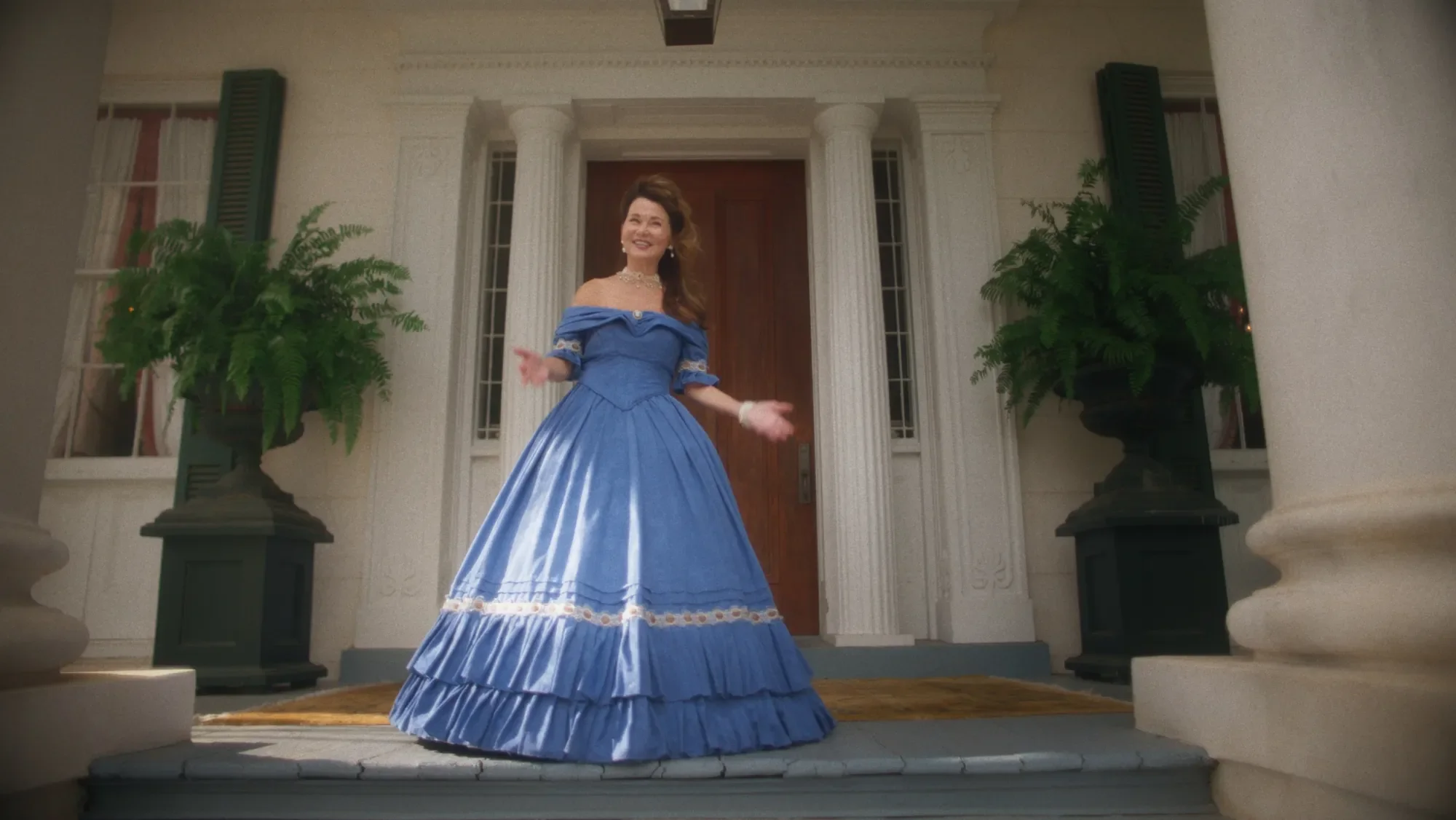
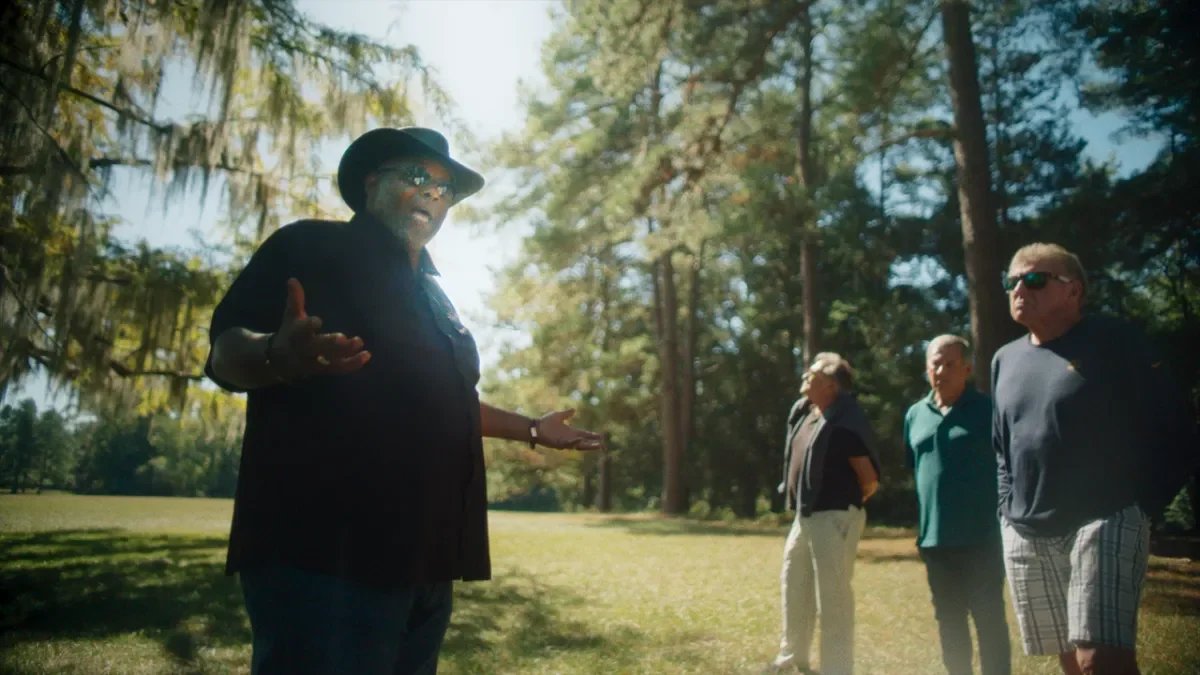
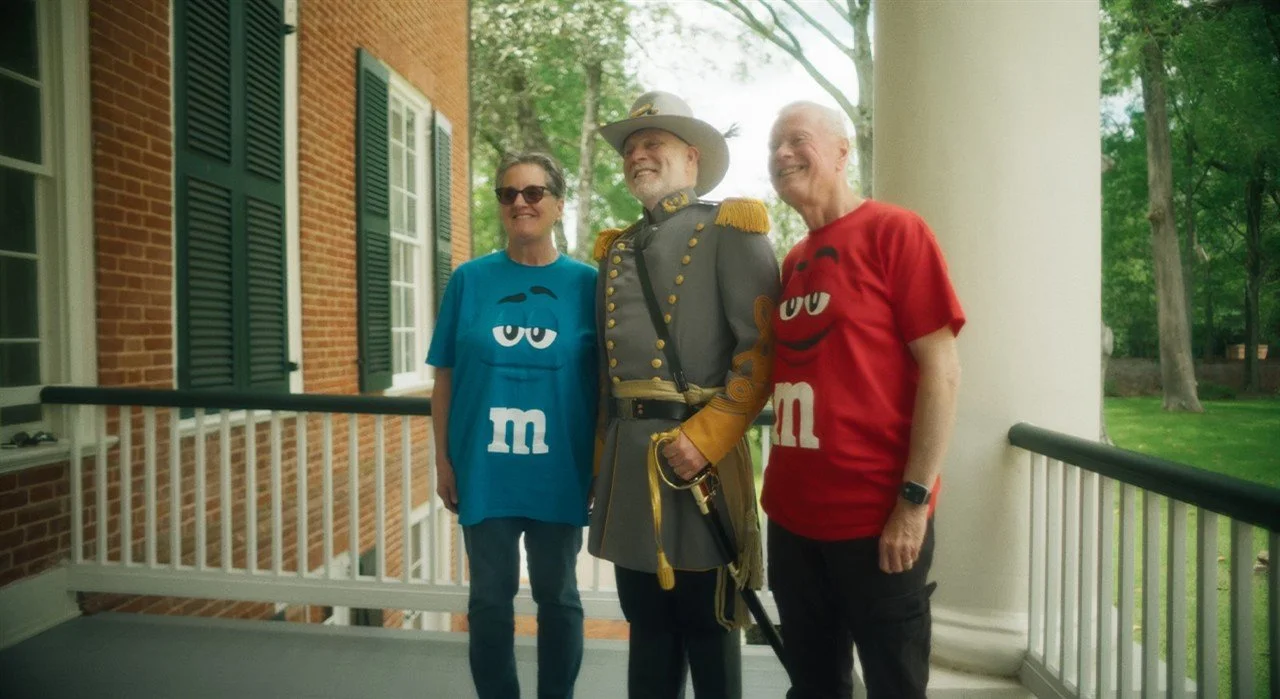
Winner of the Tribecca Film Festival 2025 Best Documentary prize, Suzannah Herbert’s documentary, Natchez, on Mississippi’s oldest city, Natchez, founded by French traders and missionaries beside the Mississippi river in 1716, is a strange mix of insight and cliché. Herbert’s film is built around the people of Natchez, especially those who are involved in hosting the tourist trade there. Natchez, with a population of only about 15,000, has a complicated history, which is made more complicated by its buried facts and domineering myths, something common to many American cities. Natchez is named after the Natchez people whose centuries’ old sophisticated society was displaced by Europeans in the early eighteenth century, but, despite that human destruction, the city uses a Natchez Indian head as the city emblem. Natchez, centrally located, was built on slavery and its trafficking trade, the cotton industry, and the Mississippi river commerce, and is famous for its original pre-Civil War architecture which survived the war. The film portrays Natchez as a city that caters to what people want to hear – be it citizen or visitor - and the film straddles a truth or lie complexity. It is hard to know if what one hears is the lie that a tourist trap myth profits on or is it the tourist guide’s own belief. Which is the truth is the question that drives the film. Herbert doesn’t try to answer it. Natchez is built around these story tellers who live in the relatively small and divided community. The film tries to reveal what their stories tell, in particular those told in white and Black communities and poor and rich ones. Herbert follows a number of women and men who dress up in nineteenth century clothes and pose in front of landmarks, African Americans who give tours about the enslaved, hosts who flaunt their wealth and bigotry, and waitresses, drivers, guides, tourists and owners who deal with it. The class system is evident and racist views are openly spoken. The film can be choppy at times because it follows so many people and the film’s take on them can come across as both sardonic and warm but Herbert’s film adds to the large public conversation on American reality.
Must see. A view of an American southern city’s self-image.